
The advocates of the conventional model of second millennium BCE Middle Eastern chronology have argued for the accuracy of their

The advocates of the conventional model of second millennium BCE Middle Eastern chronology have argued for the accuracy of their
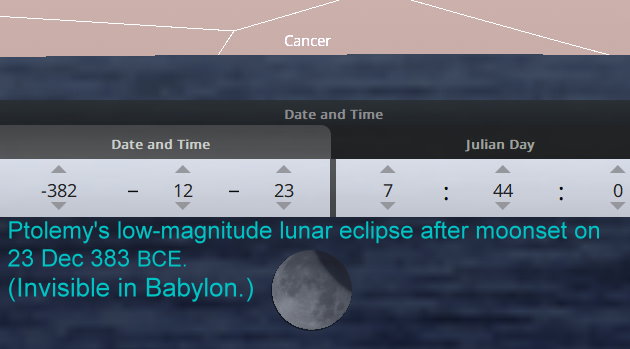
Scholars of ancient history generally recognize that contemporaneous records of ancient astronomical observations can potentially yield precisely accurate dates for
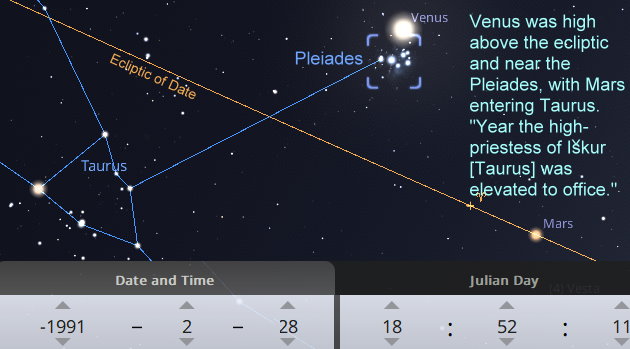
Some researchers have attempted to extrapolate one of the chronological models of the Venus Tablets of Ammi-şaduqa backward in time

Assyrian chronology is restorable with probable year-exact precision to almost two centuries earlier than Hammurabi’s first year (1792 BCE). Šamši-Adad
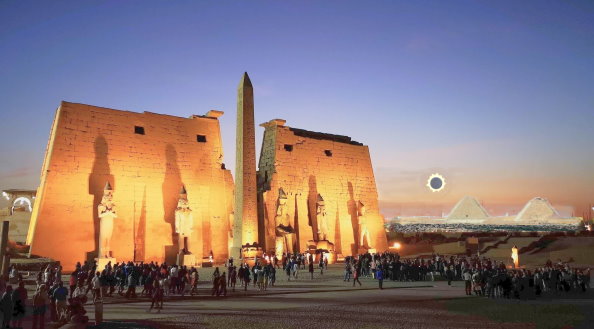
Solar eclipses were notable events to ancient Egyptian monarchs because they viewed them as messages from the sun god. Nevertheless,
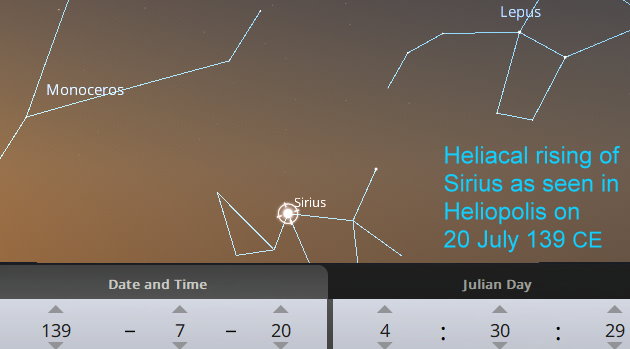
“Sothic dates” are anciently recorded observations of the heliacal rising of the star Sirius. They are critical evidence in studying
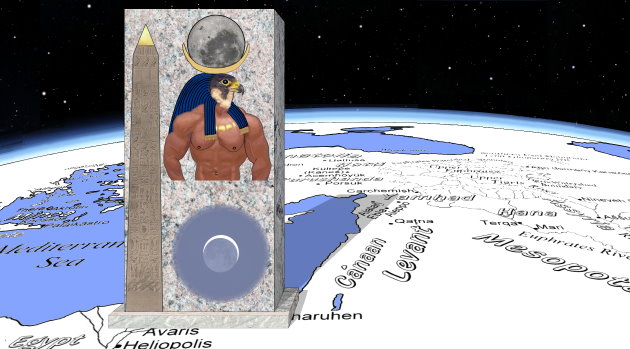
Several types of astronomical data are essential for Egyptian chronology. These include records of the heliacal rising of Sirius (Sothic

Radiocarbon dating can narrow the ages of tree rings to a theoretical range of years. (However, regional offsets sometimes cause
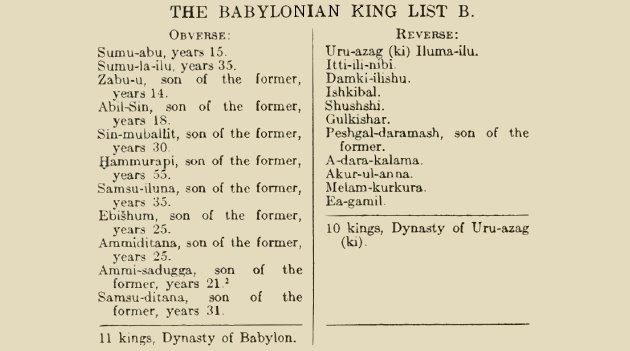
Those kingdoms with relatively abundant chronological data from that millennium include Babylonia, Assyria, and Egypt. Let us begin with Babylonia
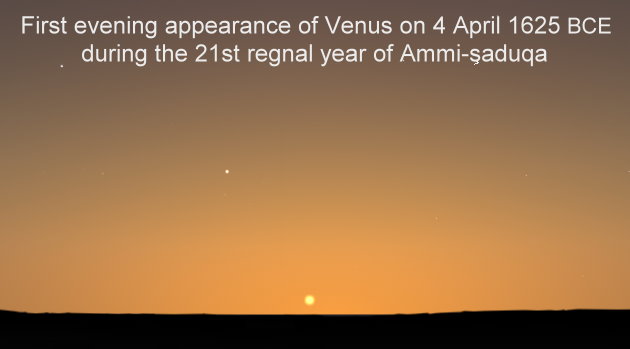
A previous post, “The Ironic Accuracy of the Venus Tablets Middle Chronology Model,” discussed the reasons that prove the Venus